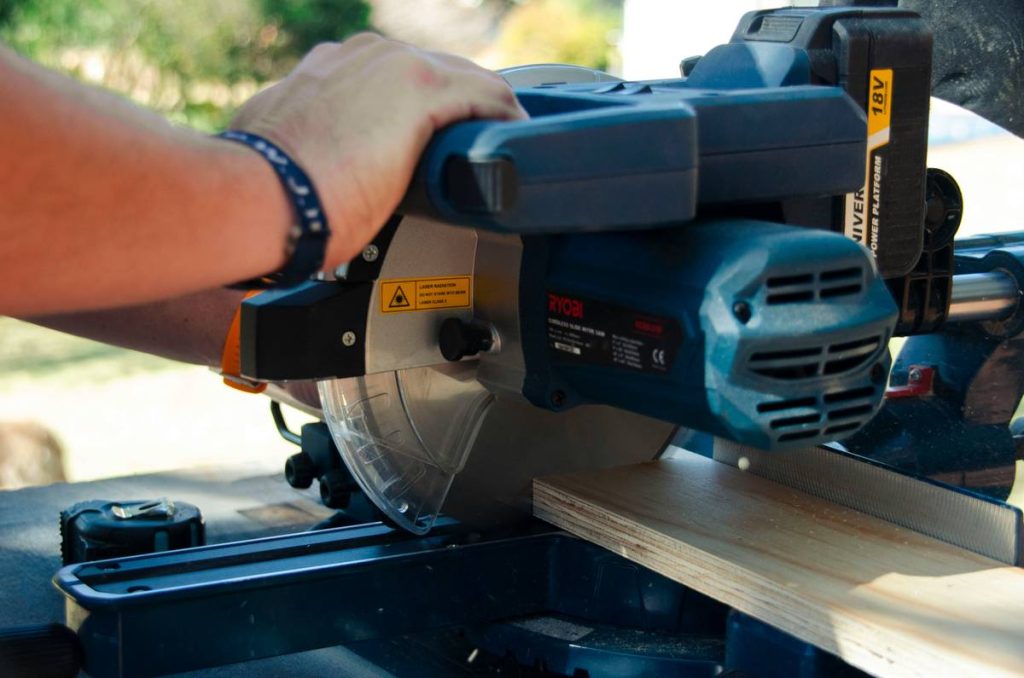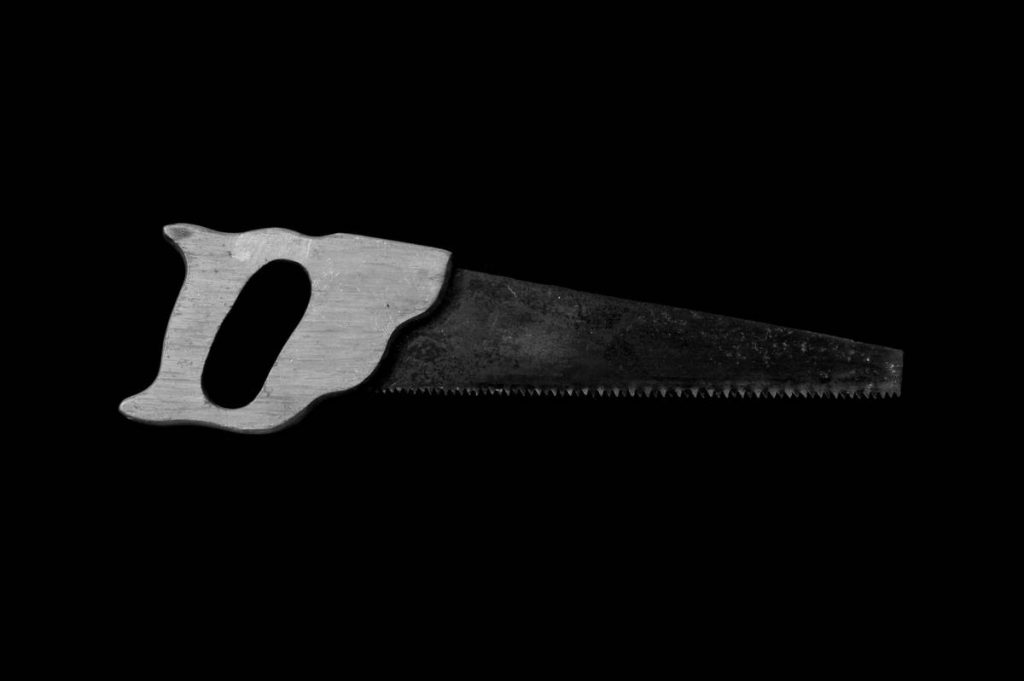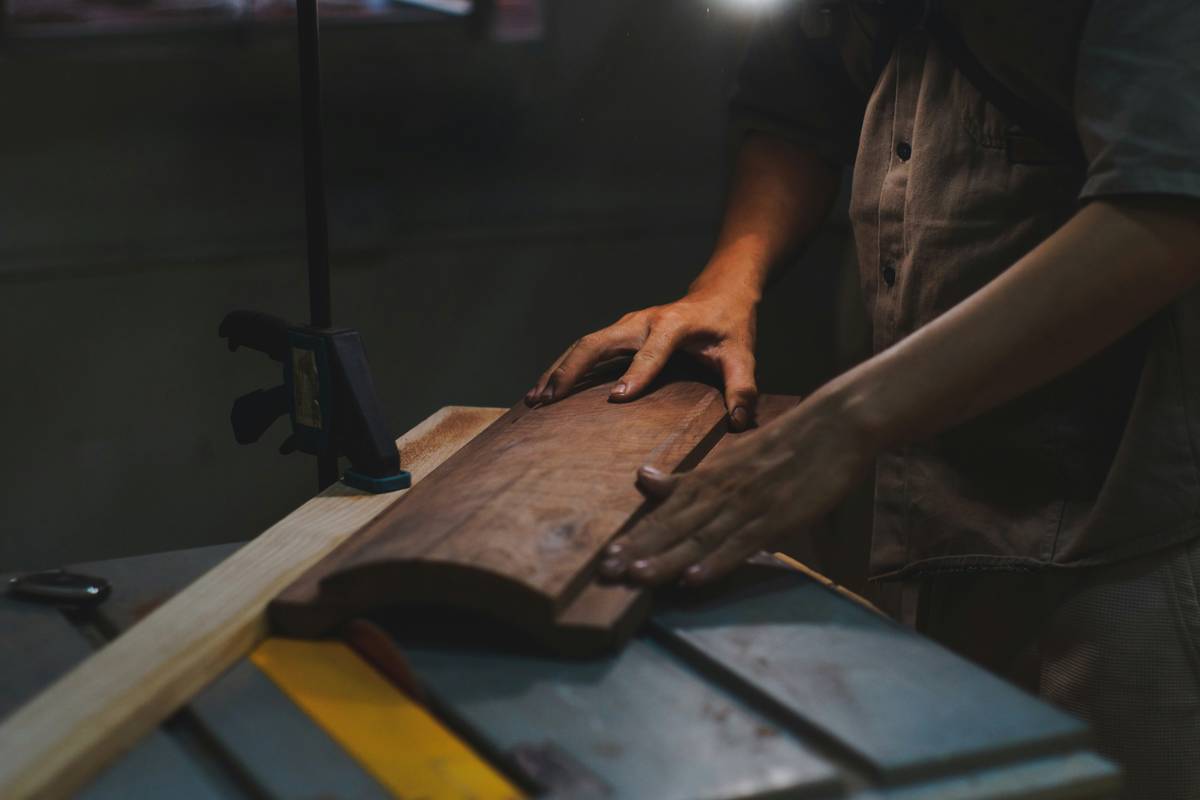
If you’ve ever stood in the hardware aisle overwhelmed by rows of gleaming metal discs labeled “carbide-tipped,” “crosscut,” or “demo,” you’re not alone. Choosing the wrong saw blade can turn a simple trim job into a splintered disaster—or worse, a safety hazard. So, what is a saw blade, really? Beyond the spinning circle of teeth, it’s your project’s silent partner: precise, powerful, and easy to misuse. In this guide, we’ll break down everything you need to know—from types and anatomy to pro tips that prevent rookie errors—so you cut smarter, not harder.
Table of Contents
- Why Saw Blades Matter in Home Improvement
- How to Choose the Right Saw Blade: A Step-by-Step Guide
- 5 Best Practices for Longer Blade Life and Cleaner Cuts
- Real Results: When Blade Choice Made All the Difference
- Frequently Asked Questions
Key Takeaways
- A saw blade isn’t just “sharp metal”—its tooth count, material, and grind dictate cut quality and safety.
- Using the wrong blade for your material (e.g., plywood with a demolition blade) causes tear-out, burn marks, or kickback.
- Always match blade diameter and arbor size to your tool—mismatched specs risk damage or injury.
- High-quality blades may cost more upfront but save money long-term through precision and durability.
Why Saw Blades Matter in Home Improvement
In home improvement, especially within tools and hardware, the saw blade is the unsung hero. It’s the difference between a clean dado joint and a ragged mess that needs filling with wood putty. I learned this the hard way when I tried cutting melamine shelves with an old, dull 24-tooth framing blade. The result? Chipped edges, a ruined $80 sheet, and a lesson burned into memory: never assume “any blade will do.”
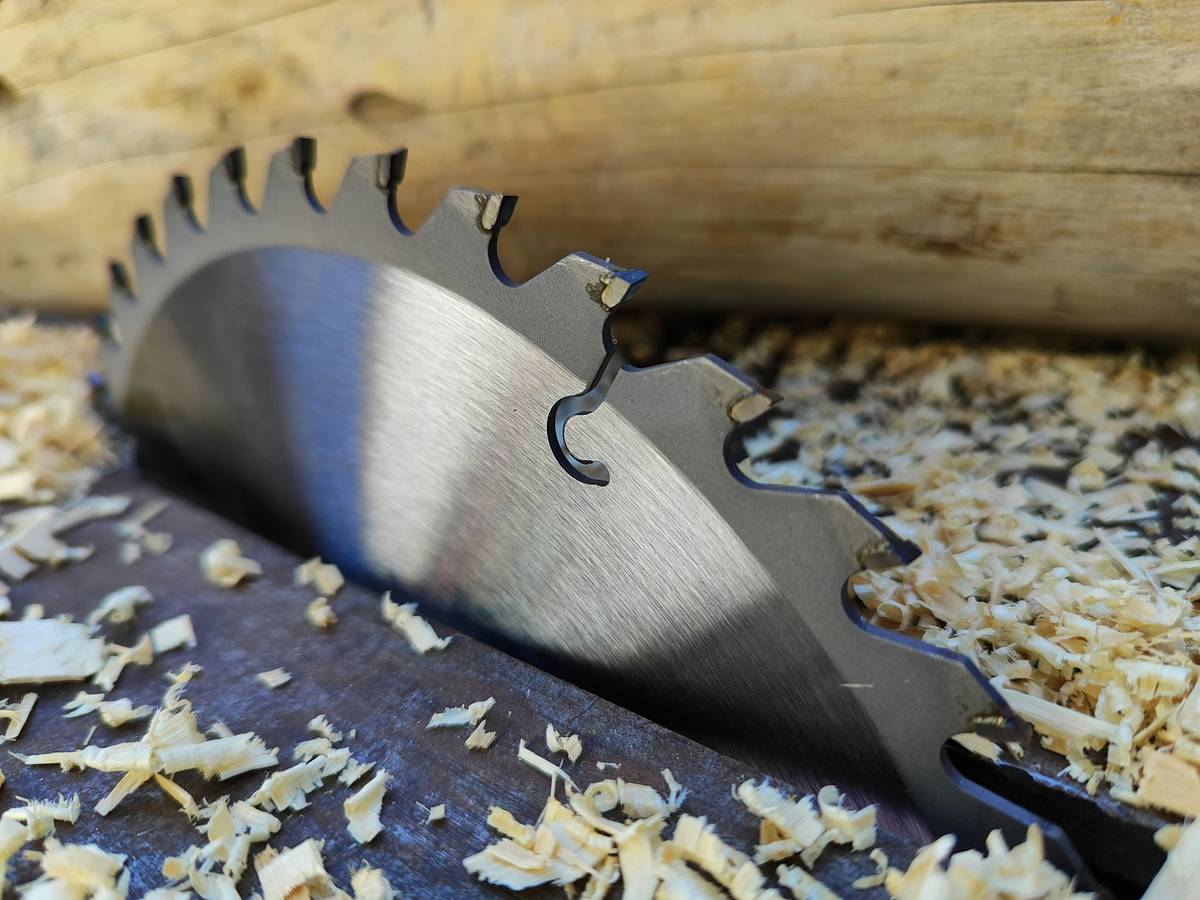
According to the Occupational Safety and Health Administration (OSHA), improper tool attachments—including mismatched or damaged blades—are a leading cause of power tool accidents in DIY settings. Understanding what is a saw blade goes beyond curiosity; it’s foundational to safe, effective home projects. Whether you’re installing crown molding or building a deck, your blade choice directly impacts finish quality, material waste, and personal safety.
How to Choose the Right Saw Blade: A Step-by-Step Guide
Step 1: Identify Your Material
Wood, plastic, metal, or composite? Each demands a specific blade geometry. For hardwoods, go with 60–80 teeth for smoothness. For softwoods or rough cuts, 24–40 teeth suffice. Cutting metal? You’ll need a specialized non-ferrous or ferrous blade—never use a standard wood blade.
Step 2: Match Blade Diameter and Arbor Size
Most circular saws use 7¼-inch blades with a ⅝-inch arbor, but check your tool manual. Using an adapter ring on a table saw? Ensure it’s snug—wobble causes vibration and poor cuts.
Step 3: Consider Tooth Configuration
Flat-top grind (FTG) blades excel at ripping lumber. Alternate top bevel (ATB) blades produce clean crosscuts. Triple-chip grind (TCG) handles laminates and plastics. Carbide tips last longer than steel and resist heat better—worth the investment if you cut weekly.
5 Best Practices for Longer Blade Life and Cleaner Cuts
- Clean resin buildup regularly: Soak the blade in oven cleaner or specialized blade cleaner for 10 minutes, then scrub gently with a brass brush.
- Never force the cut: Let the blade do the work. Pushing too hard overheats the teeth and causes binding.
- Store blades vertically or in protective sleeves: Laying them flat can warp thin plates over time.
- Replace when dull—not after: Dull blades require more force, increasing kickback risk. If you see burn marks or rough edges, retire it.
- Avoid this terrible tip: “Just flip the blade backward to cut faster.” NO. This is extremely dangerous and voids warranties. Always follow rotation direction arrows stamped on the blade.
Real Results: When Blade Choice Made All the Difference
A 2022 study by the Forest Products Laboratory (part of the U.S. Department of Agriculture) tested cut quality across 12 blade types on oak and pine. Results showed that ATB blades with 80 teeth reduced tear-out by 63% compared to 24-tooth FTG blades in hardwood crosscuts. One contractor shared how switching from a generic $12 blade to a premium 60-tooth carbide model saved him 4 hours per week in sanding and rework—translating to nearly $2,000 in labor savings annually. That’s the tangible ROI of understanding what is a saw blade and respecting its role.
Frequently Asked Questions
What’s the difference between a rip blade and a crosscut blade?
Rip blades have fewer teeth (typically 24–30) with flat tops for fast, efficient cutting along the wood grain. Crosscut blades feature more teeth (60–80+) with beveled edges to slice cleanly across fibers.
Can I use one blade for all materials?
No. Universal blades exist but compromise performance. Wood blades lack the heat resistance for metal; metal-cutting blades chip delicate surfaces like laminate. Match the blade to your primary material.
How often should I replace my saw blade?
Depends on usage. Occasional DIYers might get years of life; daily users may need replacement every 3–6 months. Signs include burning, rough cuts, or increased motor strain.
Are carbide-tipped blades worth it?
Yes. Carbide stays sharp 10x longer than high-speed steel and handles abrasive materials like MDF and plywood without rapid dulling—backed by data from industry leaders like Freud and Diablo.
Where can I learn more about tool safety standards?
The National Institute for Occupational Safety and Health (NIOSH) publishes free guidelines on power tool operation. Visit their official site for evidence-based practices: https://www.cdc.gov/niosh/topics/saw/.
Who makes reliable saw blades?
Brands like Freud, DeWalt, and Makita consistently rank high in independent tests. Always buy from authorized dealers to avoid counterfeits that skip critical safety steps like tensioning.
Now that you know what is a saw blade—and why it deserves respect—you’re equipped to cut with confidence. Got questions about compatible accessories or blade recommendations for your next project? Reach out via our Contact Us page. And if you’re curious about our team’s hands-on experience with power tools, check out our About Us story. We prioritize your safety, which is why we adhere strictly to data privacy—learn more in our Privacy Policy.
Remember: a sharp blade isn’t just about clean lines—it’s about peace of mind. Cut true, cut safe.