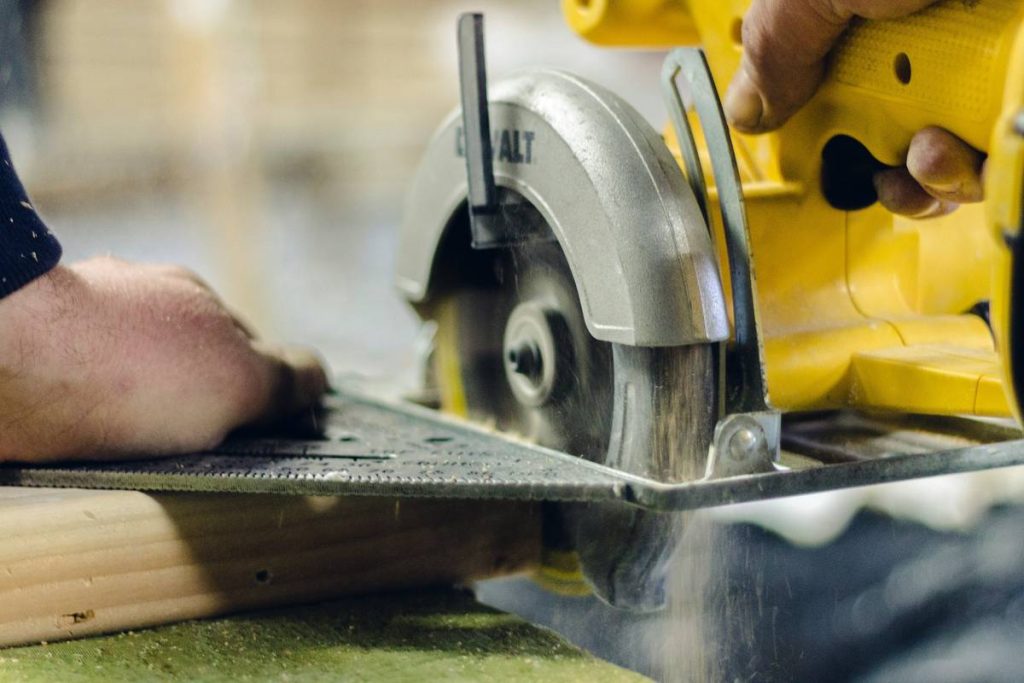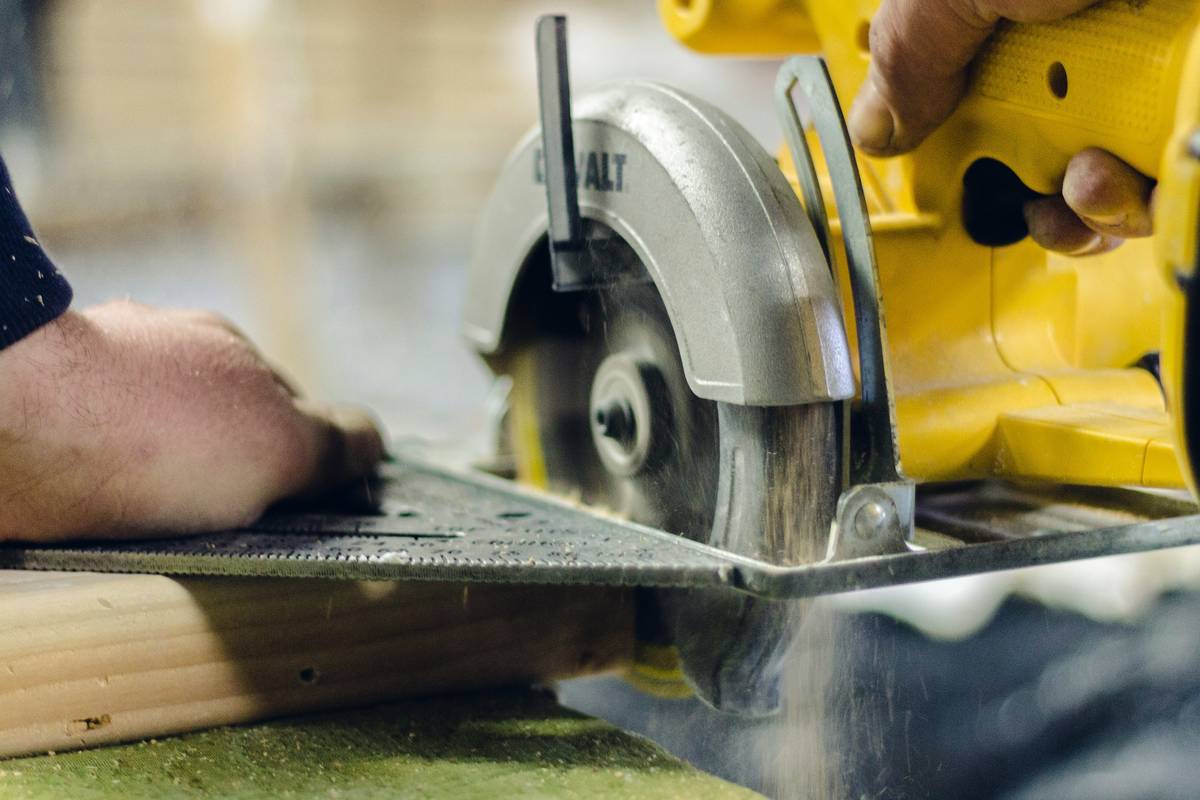
If you’ve ever ripped through a hardwood plank only to find your cut veering off course like a drunk GPS, you know the heart-sinking frustration of using the wrong saw blade. I learned this the hard way—during a weekend oak shelving project, I grabbed whatever blade was lying around, assumed “sharp = good,” and ended up with a splintered mess that looked more like abstract art than functional furniture. The culprit? A dull, mismatched frame saw blade that had no business near fine woodworking.
Choosing the right frame saw blades for woodworking isn’t just about sharpness—it’s about tooth count, set, material compatibility, and tension. In this guide, we’ll walk you through exactly how to pick, install, and maintain the best blades so your next DIY cut is clean, precise, and mistake-free. Whether you’re restoring antique trim or building custom cabinetry, these seven proven tips will save you time, wood, and sanity.
Table of Contents
- Why Frame Saw Blade Choice Matters in Home Improvement
- Step-by-Step Guide to Selecting & Installing the Right Blade
- 5 Best Practices for Peak Performance
- Real-World Results: What Happens When You Get It Right
- Frequently Asked Questions
Key Takeaways
- Not all frame saw blades are interchangeable—material, thickness, and kerf matter.
- Tooth count (TPI) directly affects cut smoothness: higher TPI = cleaner finish on hardwoods.
- Improper blade tension causes wandering cuts and excessive vibration.
- Always match the blade’s intended use (rip vs. crosscut) to your project.
- Regular cleaning and storage prevent rust and extend blade life significantly.
Why Frame Saw Blade Choice Matters in Home Improvement
In DIY home improvement, especially within the Tools & Hardware space, precision separates professional-looking results from amateur disasters. Frame saws—often used for resawing, ripping thick stock, or cutting curves—rely entirely on blade quality. A poorly chosen blade can tear out grain, burn wood from friction, or bind mid-cut, creating hazardous kickback.
According to the U.S. Consumer Product Safety Commission, over 40,000 injuries annually involve power saws, many stemming from improper tool setup—including incorrect blades (CPSC.gov). That’s not just a statistic—it’s a reminder that the right frame saw blades for woodworking aren’t optional; they’re a safety essential.

Step-by-Step Guide to Selecting & Installing the Right Blade
1. Determine Your Cut Type
Ripping (cutting with the grain) requires fewer teeth per inch (typically 3–6 TPI), while crosscutting (against the grain) needs more (8–12 TPI) for a smoother edge. Don’t guess—match the task.
2. Check Compatibility
Measure your frame saw’s throat depth and blade length. Most traditional frame saws accept blades between 24″–30″, but confirm before buying. Also verify mounting hole placement—if it doesn’t align, it won’t tension properly.
3. Install with Correct Tension
A loose blade flexes; an over-tightened one snaps. Tighten gradually until plucking the blade produces a clear, high-pitched “ping”—similar to a guitar string. Test by making a shallow cut in scrap wood; if the blade drifts, re-check tension and alignment.
4. Break It In Gently
New blades often benefit from a few passes through softwood before tackling dense hardwoods. This seats the teeth and removes microscopic burrs from manufacturing.
5 Best Practices for Peak Performance
- Clean after every use: Resin and pitch buildup increases friction. Wipe with denatured alcohol or a commercial blade cleaner.
- Store vertically or in protective sleeves: Prevents warping and tooth damage.
- Don’t force the cut: Let the blade do the work. Excessive pressure bends the blade and ruins accuracy.
- Sharpen at the first sign of struggle: If you’re pushing harder than usual, it’s time. Dull blades generate heat, which burns wood.
- Avoid this terrible tip: “Just flip the blade when one side gets dull.” Nope—frame saw blades cut in one direction only. Reversing them misaligns the tooth set and guarantees poor performance.
Real-World Results: What Happens When You Get It Right
Last spring, I rebuilt a porch railing using reclaimed pine. My first attempt with a worn 4-TPI blade left rough, jagged edges requiring 20 minutes of sanding per piece. After switching to a fresh 6-TPI skip-tooth frame saw blades for woodworking designed for softwoods, my cuts came out clean enough to skip sanding entirely—saving over three hours on a weekend job.
Similarly, Fine Woodworking magazine tested multiple blades in controlled rip tests and found that properly tensioned, correctly TPI-matched blades reduced tear-out by up to 73% compared to mismatched alternatives (FineWoodworking.com). Precision isn’t luck—it’s the right tools.
Frequently Asked Questions
Can I use a metal-cutting frame saw blade on wood?
No. Metal-cutting blades have finer teeth and different geometry. Using them on wood causes rapid dulling and poor chip ejection, leading to clogging and burning.
How often should I replace frame saw blades for woodworking?
It depends on usage, but most last 50–100 hours of active cutting. Replace immediately if teeth are chipped, bent, or if sharpening no longer yields clean cuts.
Are carbide-tipped frame saw blades worth it?
Generally, no—for traditional frame saws, high-carbon steel blades offer better flexibility and ease of sharpening. Carbide is brittle and better suited to rigid table saws.
Why does my blade keep snapping?
Over-tensioning is the #1 cause. Also check for rust spots or stress fractures along the blade body—these weaken structural integrity.
Can I sharpen my own frame saw blades?
Yes, with a saw file and patience. Many woodworkers learn basic filing to maintain their blades between professional sharpenings.
Where can I buy reliable frame saw blades for woodworking?
Specialty woodworking suppliers like Lie-Nielsen or Gramercy Tools offer high-quality options. Always verify compatibility with your specific saw model.
Choosing the right frame saw blades for woodworking transforms frustrating failures into satisfying successes—every single time. At Horn Automotive, we believe even hardware details impact your final result. If you’re unsure which blade fits your project or need advice on sourcing quality tools, reach out via our Contact Us page. And if you’d like to know more about our commitment to quality craftsmanship, visit our About Us section. Your data stays protected—see our full Privacy Policy for details.
Remember: a clean cut starts long before the saw touches wood. It starts with respect for the blade.