You bought a saw. You grabbed “a” blade from the shelf labeled “home hardware saw blades.” Now your wood’s burning, your edges are splintered, and that clean cut you imagined? Ruined. Most DIYers treat saw blades like disposable razors—cheap, generic, forgettable. That’s the root of 80% of botched cuts. The fix isn’t buying a $500 saw. It’s choosing the right blade for the job—and knowing how to read what it’s silently telling you.
Why Off-the-Shelf home hardware saw blades Fail You
Big-box stores stock “general purpose” blades because they move units—not because they deliver precision. These blades use low-grade carbide tips that dull after two or three sheets of plywood. And the tooth geometry? Optimized for speed in soft pine, not clean crosscuts in hardwood or laminate.
Here’s the reality: A $12 blade might save you cash today—but cost you hours sanding tear-out tomorrow. Your project’s finish hinges on the teeth touching the material. Not the motor. Not the brand name on the housing.
Choosing & Using the Right Saw Blade: A No-BS Step-by-Step
Forget “universal.” Match blade specs to your material and cut type. Period.
Tooth Count Isn’t Just a Number—It’s Your Finish Quality Dial
Fewer teeth (24–40) = faster, rougher ripping cuts. More teeth (60–100) = slower, glass-smooth crosscuts. Need both? Get two blades. Trying to do everything with one is like using a chef’s knife to fillet fish and chop bones—it just won’t excel at either.
Hook Angle Dictates Aggression (and Safety)
High positive hook (+15° to +20°)? Great for ripping softwood fast—but dangerous on a radial arm saw (can self-feed violently). Low or negative hook (-5° to 5°)? Safer, cleaner, but slower. Plywood and melamine demand near-zero hook angles to prevent chipping.
Thin Kerf vs. Full Kerf: Don’t Ignore the Waste
Thin kerf blades remove less material—ideal for underpowered saws or minimizing waste. But they flex more, causing wobble in thick stock. Full kerf? Stiffer, straighter cuts—if your saw has the torque to push through without bogging down.
| Blade Type | Best For | Tooth Count | Avg. Price Range | Durability (Sheets of Plywood) |
|---|---|---|---|---|
| Rip Blade | Long grain cuts in solid wood | 24–30 | $15–$25 | 15–25 |
| Crosscut Blade | Precision end-grain cuts | 60–80 | $20–$35 | 10–20 |
| Combination Blade | “Good enough” for mixed tasks | 40–50 | $12–$20 | 8–15 |
| Triple-Chip Grind (TCG) | Laminate, MDF, non-ferrous metal | 80–100 | $30–$50 | 20–40 |
The Industry Secret: Blade Resharping Is a Lie (Mostly)
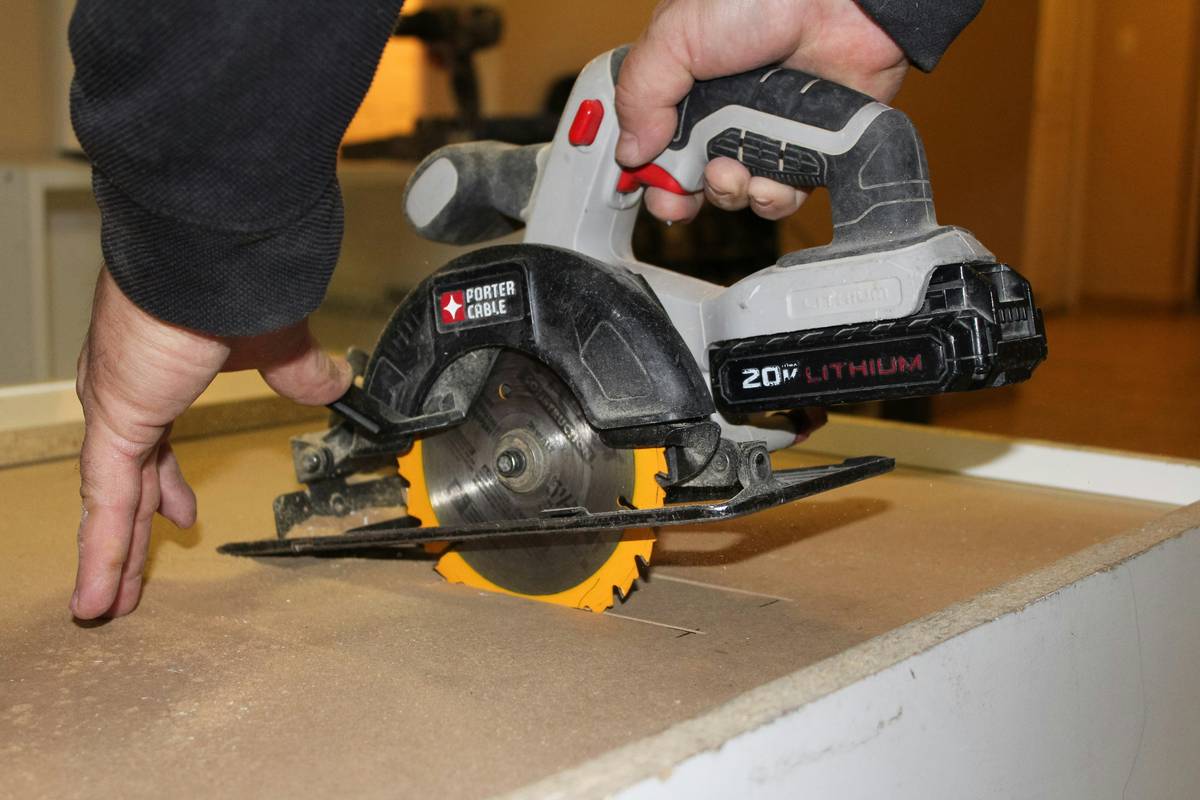
Tool shops will happily take $15 to “sharpen” your blade. But unless it’s a high-end Freud or Forrest with thick carbide, you’re wasting money. Most budget home hardware saw blades have carbide so thin that two sharpenings remove the usable tip entirely. And improper sharpening alters the bevel angle—ruining performance permanently.
Instead: Track your cuts. When feed speed drops or burn marks appear consistently, retire the blade. Recycle it. Buy a quality mid-tier blade (like Diablo or CMT) once—and keep it clean with resin remover spray after every project. That $35 investment lasts longer than three $12 “disposables” ever could.
FAQ
Can I use the same saw blade for wood and metal?
No. Wood blades have wide gullets and aggressive rakes. Metal-cutting blades use closely spaced, heat-resistant teeth. Using a wood blade on aluminum can shatter it—dangerous and ineffective.
How often should I replace my home hardware saw blades?
When cuts get rough, require more force, or show consistent burn marks—even with sharp-looking teeth. For average DIY use, expect 10–25 sheet goods before noticeable decline.
Do expensive blades really cut better?
Yes—if matched correctly. Premium blades use thicker, harder carbide, precise tensioning, and laser-cut dampening slots to reduce vibration. But a $60 crosscut blade won’t help if you’re ripping 2x4s. Match the tool to the task, not the price tag alone.