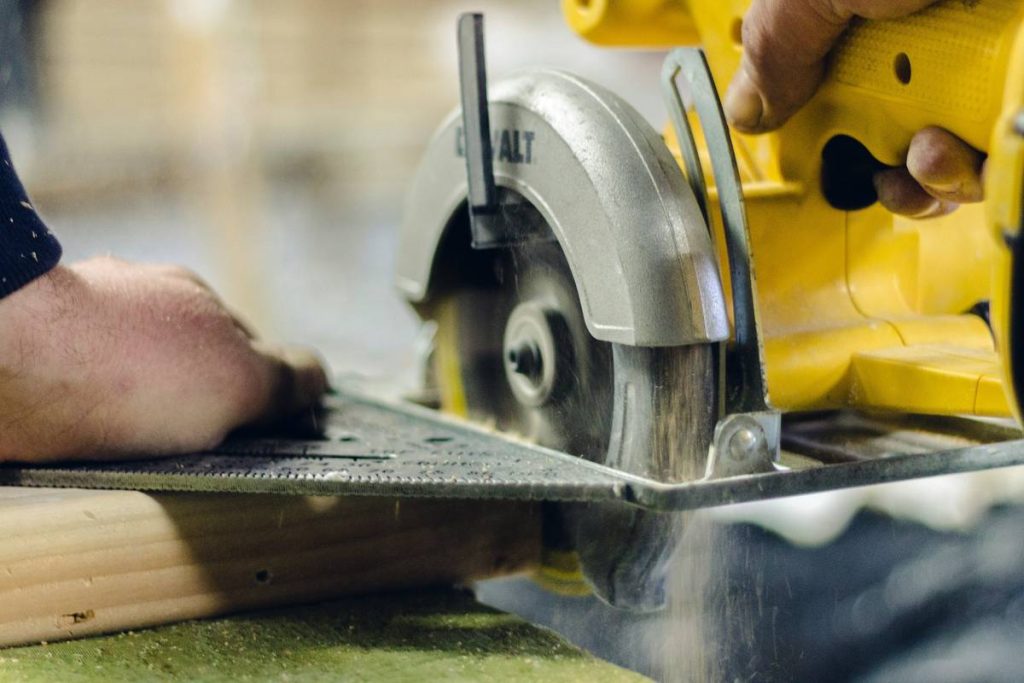
You’ve spent hours selecting flawless hardwood—only to ruin it with a ragged, burning cut. Frustrating? Absolutely. Most DIYers blame their saw. But here’s the truth: your saw blades for woodworking are the real culprit. A dull, mismatched, or low-TPI blade tears grain, kicks back, and wastes material. The fix isn’t buying a new saw—it’s choosing the right blade for the job.
Why Off-the-Shelf Saw Blades Fail Woodworkers
Hardware store “universal” blades promise versatility. They deliver mediocrity. And compromise.
Wood species vary wildly in density and grain structure—cherry behaves nothing like oak or plywood. Yet most beginners grab whatever’s on clearance. Result? Burn marks, splintered edges, and wasted lumber.
Here’s the reality: a 24-tooth framing blade might rip through 2x4s fast—but it shreds fine furniture stock. The math is simple. Teeth per inch (TPI), hook angle, and carbide grade must align with your cut type and wood. Ignore that, and you’re sanding for hours just to salvage a project.
Selecting & Using Saw Blades for Woodworking: A Practical Guide
Forget vague advice. This is what actually works on the bench.
Match Blade Type to Cut Purpose
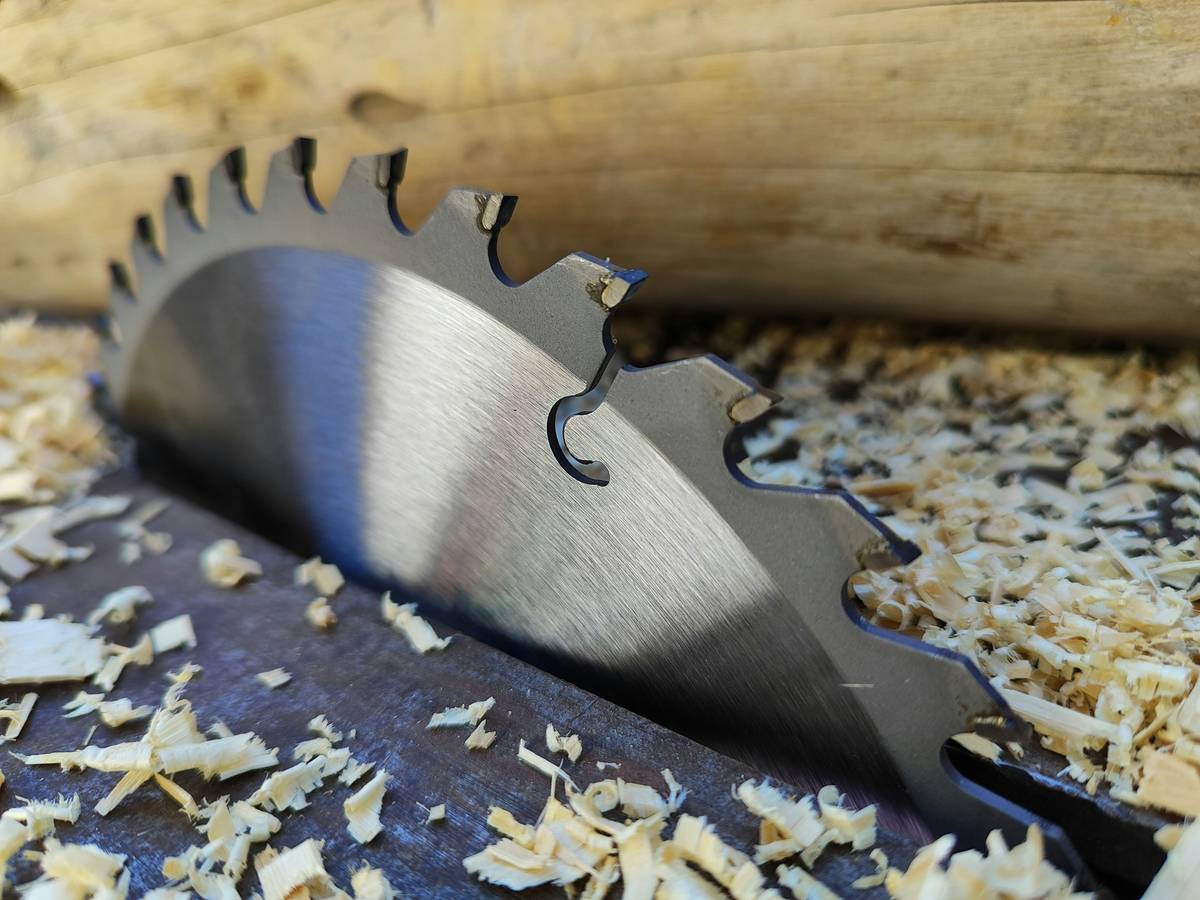
Crosscutting demands clean severing of fibers—so you need high TPI (60–80) with alternate-top-bevel (ATB) teeth. Ripping? Fewer teeth (24–30), flat-top grind (FTG), aggressive hook angle. Don’t force one blade to do both. You’ll regret it.
Understand Tooth Geometry—and Why It Matters
ATB teeth slice cleanly but wear faster on abrasive materials. Triple-chip grind (TCG) handles laminates and MDF without chipping. And don’t overlook the gullets—the space between teeth. Small gullets clog fast in deep rips. Big gullets evacuate sawdust but sacrifice finish quality. Trade-offs exist everywhere.
Carbide Quality Isn’t Just Marketing Fluff
Yes, premium blades cost more. But C4 micrograin carbide stays sharp 3–5x longer than cheap alternatives. Think about it: resharpening or replacing every few projects adds up—in time and cash. Invest once, cut cleanly for months.
| Blade Type | Best For | TPI Range | Avg. Price | Lifespan (Est.) |
|---|---|---|---|---|
| ATB Crosscut | Hardwood, veneers, finish work | 60–80 | $45–$80 | 500–800 linear ft |
| FTG Rip | Solid wood ripping, thick stock | 24–30 | $35–$60 | 700–1,000 linear ft |
| Combination (ATBR) | General DIY, mixed cuts | 40–50 | $30–$50 | 400–600 linear ft |
| TCG | Plywood, MDF, laminates | 48–60 | $50–$90 | 600–900 linear ft |
The Industry Secret: Blade Calibration Is Everything
Even the best saw blades for woodworking fail if your saw isn’t tuned. Here’s what pros never tell amateurs: blade parallelism to the miter slot matters more than sharpness. Misalignment causes binding, uneven wear, and dangerous kickback—even with a brand-new $70 blade.
I once watched a client ruin three expensive blades in a week. His table saw fence was off by just 0.015″. Fixed that, and his cuts transformed overnight. Always check alignment before blaming the blade. Use a dial indicator or even a simple feeler gauge. Precision starts with setup—not just the tool.
Frequently Asked Questions
What TPI should I use for hardwood?
For crosscuts in hardwood, use 60–80 TPI ATB blades. For ripping, drop to 24–30 TPI with FTG teeth.
Can I use the same blade for plywood and solid wood?
Not ideally. Plywood needs triple-chip or high-ATB blades to prevent tear-out. Solid wood performs better with dedicated rip or crosscut profiles.
How often should I replace my saw blade?
Replace when cuts burn, splinter, or require excessive force—even after cleaning. Carbide life varies, but visual inspection beats guessing.