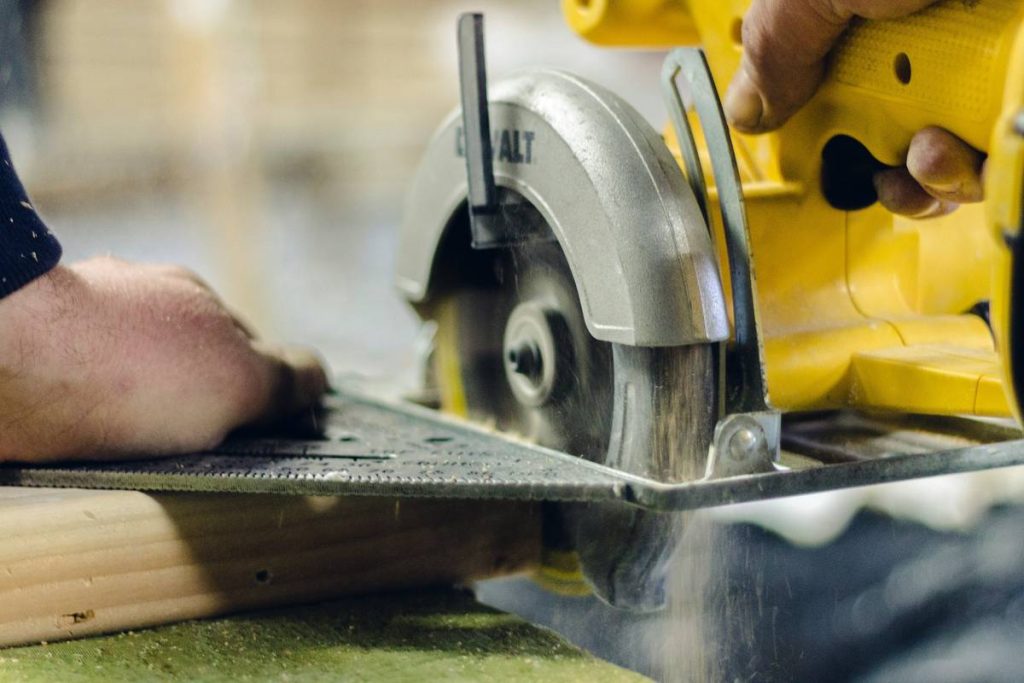
You bought a saw. You followed the YouTube tutorial. But your cut splintered, wandered off-line, or stalled halfway through. Frustrating, right? The issue isn’t your skill—it’s your blade. Most DIYers grab whatever’s on the shelf at saw blades Home Depot without checking tooth count, material compatibility, or kerf width. Big mistake.
The Real Reason Your Cuts Suck (It’s Not the Saw)
Power tools get all the glory. But a dull, mismatched, or low-quality blade turns even a $500 circular saw into a glorified paperweight. And here’s the kicker: Home Depot stocks dozens of saw blades that look identical but perform wildly differently.
Woodworkers know this. Contractors whisper about it. Yet weekend warriors keep falling into the same trap—assuming “blade is blade.” Nope. Plywood demands fine-tooth crosscut blades. Framing lumber needs aggressive rip teeth. Metal? Totally different alloy and geometry.
Use the wrong one, and you’ll burn wood, chip laminate, or snap teeth mid-cut. Safety hazard? Absolutely. Time waster? Guaranteed.
How to Choose & Buy the Perfect Saw Blade at Saw Blades Home Depot
Picking the right blade isn’t guesswork. It’s physics meeting purpose. Follow this battle-tested method:
Step 1: Match the Material—Not the Tool
Forget your saw type for a second. Ask: What am I cutting? Hardwood? MDF? PVC pipe? Aluminum? Each requires specific tooth geometry and carbide grade. A 40-tooth ATB (Alternate Top Bevel) blade shines on plywood—but shreds plastic.
Step 2: Decode the Label Like a Pro
Home Depot’s packaging hides critical data in plain sight. Look for:
- Tooth Count: Higher = smoother cuts (60+ for finish work), lower = faster removal (24 for ripping).
- Kerf Width: Thin-kerf blades save material but deflect under pressure. Full-kerf = stable, accurate.
- Hook Angle: Positive hooks pull aggressively (great for ripping). Negative hooks prevent climb-cutting on track saws.
Step 3: Avoid the “Value Pack” Trap
That $12 “multi-purpose” blade? It’s a compromise that excels at nothing. Spend $5 more for a purpose-built blade from Freud, Diablo, or DeWalt. Your joints will fit tighter, your sanding time drops—and your fingers stay safer.
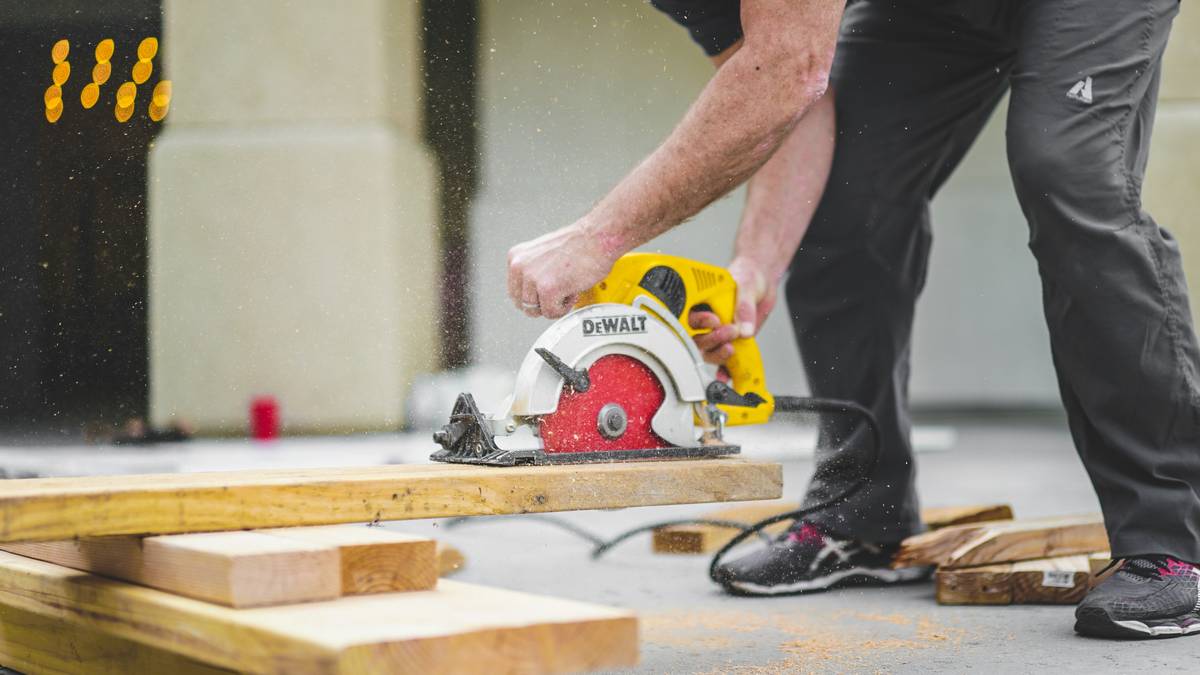
| Blade Type | Best For | Tooth Count | Avg. Price at Home Depot | Verdict |
|---|---|---|---|---|
| ATB Crosscut | Plywood, hardwoods | 60–80 | $28–$45 | Go-to for clean finishes |
| FTG Rip | Framing lumber, OSB | 24–30 | $22–$38 | Fast, rough—ideal for rough carpentry |
| TCT Triple-Chip | Plastic, non-ferrous metal | 80–100 | $35–$60 | Specialized—don’t use on wood |
| “Multi-Purpose” Combo | Everything (supposedly) | 40–50 | $12–$20 | Avoid—mediocre results everywhere |
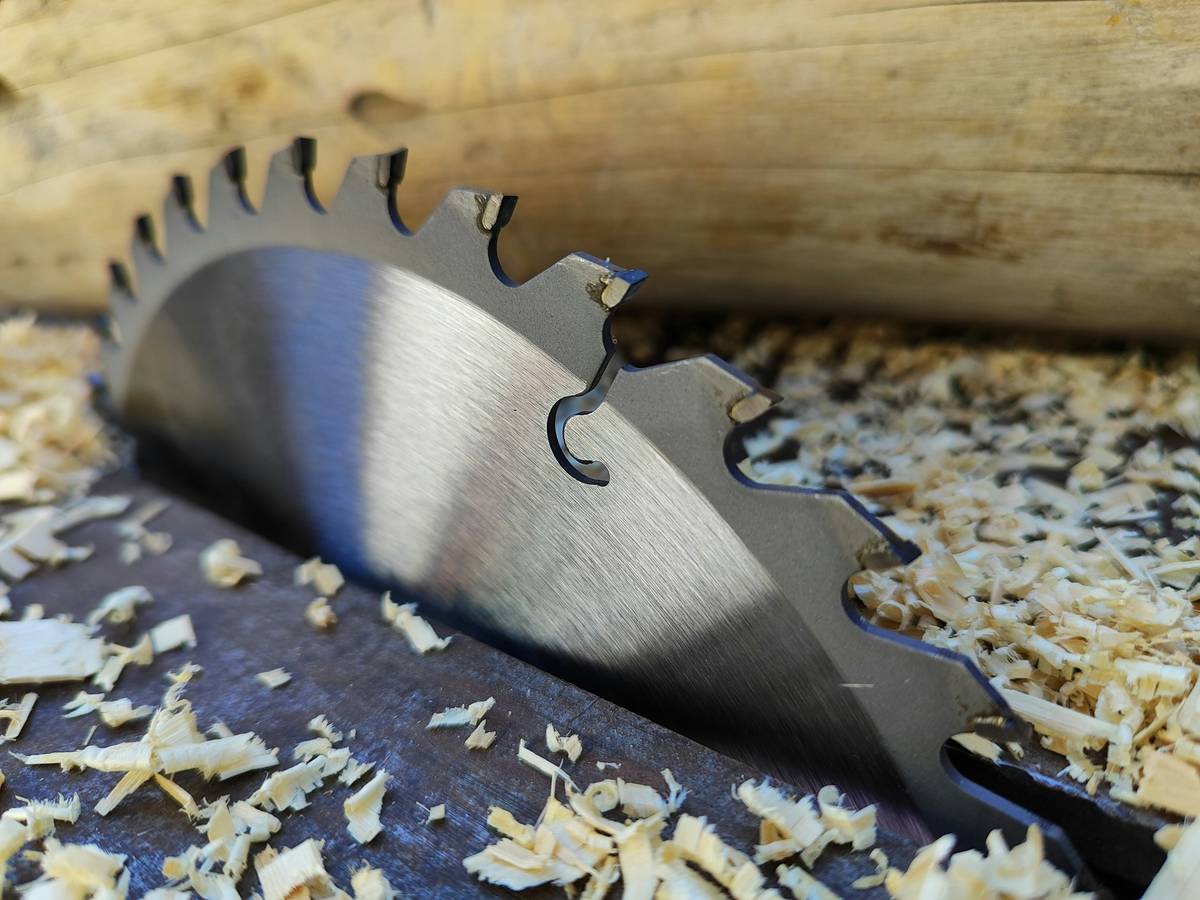
The Industry Secret: Blade Longevity Isn’t About Price—It’s About Resharpening
Here’s what Home Depot won’t tell you: The best blades aren’t the most expensive—they’re the ones you can resharpen. Most DIYers throw away dull blades after one project. Pros send theirs to sharpening services ($5–$8 per blade) and get 3–5x the life.
Diablo’s Freud-made blades? Fully resharpenable. Same with certain DeWalt models. But those ultra-thin laser-cut “premium” blades with micro-grain carbide? Often not worth sharpening—they’re designed for disposability. The math is simple: A $40 blade sharpened four times costs $18 total per use. A $15 blade used once? $15. You’re paying more to throw things away.
And check the arbor—standard 5/8″ fits most saws, but some track saws need 1″ or 20mm. Buying the wrong size wastes time and money. Always measure before you buy.
Frequently Asked Questions
Can I use the same saw blade for wood and metal?
No. Metal-cutting blades have different tooth geometry and require slower RPMs. Using a wood blade on metal can shatter teeth and cause kickback.
How often should I replace my saw blade?
When cuts burn, tear out, or require excessive force—even if teeth look sharp. Dull carbide doesn’t always show visible wear.
Does Home Depot carry specialty blades like dado or panel-cutting?
Yes—in-store selection varies, but most locations stock basic dado sets and thin-kerf panel blades. Call ahead or check online inventory using zip code.