Ever ruined a $200 hardwood plank because your saw kicked back or left a ragged edge? You’re not alone. A poorly chosen general purpose saw blade can turn a weekend DIY dream into a frustrating, expensive mess. Whether you’re trimming baseboards, cutting plywood for shelves, or tackling deck repairs, the right blade matters more than most realize. In this guide, we’ll walk you through exactly how to pick, use, and maintain a general purpose saw blade that delivers clean, safe cuts—every time. We’ve also included real mistakes (yes, I’ve made them), trustworthy data, and actionable steps so you never second-guess your next cut.
Table of Contents
- Why Your General Purpose Saw Blade Choice Actually Matters
- Step-by-Step Guide to Choosing & Using the Right Blade
- 5 Best Practices for Cleaner, Safer Cuts
- Real-World Results: What Happens When You Get It Right?
- Frequently Asked Questions
Key Takeaways
- A quality general purpose saw blade typically has 24–40 teeth—ideal for balancing speed and finish.
- Using the wrong blade type (e.g., ripping vs. crosscut) causes splintering, burning, or dangerous kickback.
- Blade material, kerf width, and arbor size must match your saw’s specifications.
- Regular cleaning extends blade life and maintains cutting precision.
- Always check compatibility with your tool before purchasing.
Why Your General Purpose Saw Blade Choice Actually Matters
In home improvement, especially within Tools & Hardware, the saw blade is the unsung hero—or villain. I once installed crown molding using a cheap, worn-out blade labeled “general purpose.” Halfway through, it started chipping the oak veneer. By the end, I’d torn up three pieces and wasted over two hours trying to patch the damage. Lesson learned: not all general purpose saw blades are created equal.
The U.S. Consumer Product Safety Commission reports that power tool-related injuries often stem from improper accessories—including mismatched or dull blades. According to CPSC data, thousands of annual ER visits link directly to saw kickbacks, many preventable with proper blade selection. A true general purpose saw blade bridges the gap between aggressive ripping and fine crosscutting, making it essential for versatile home projects.
Step-by-Step Guide to Choosing & Using the Right Blade
1. Match the Arbor Size and Diameter
Your saw dictates the blade specs. Most residential circular saws use 7¼-inch blades with a 5/8-inch arbor. Confirm yours before buying—using an adapter can cause wobble and unsafe operation.
2. Count the Teeth (But Don’t Overdo It)
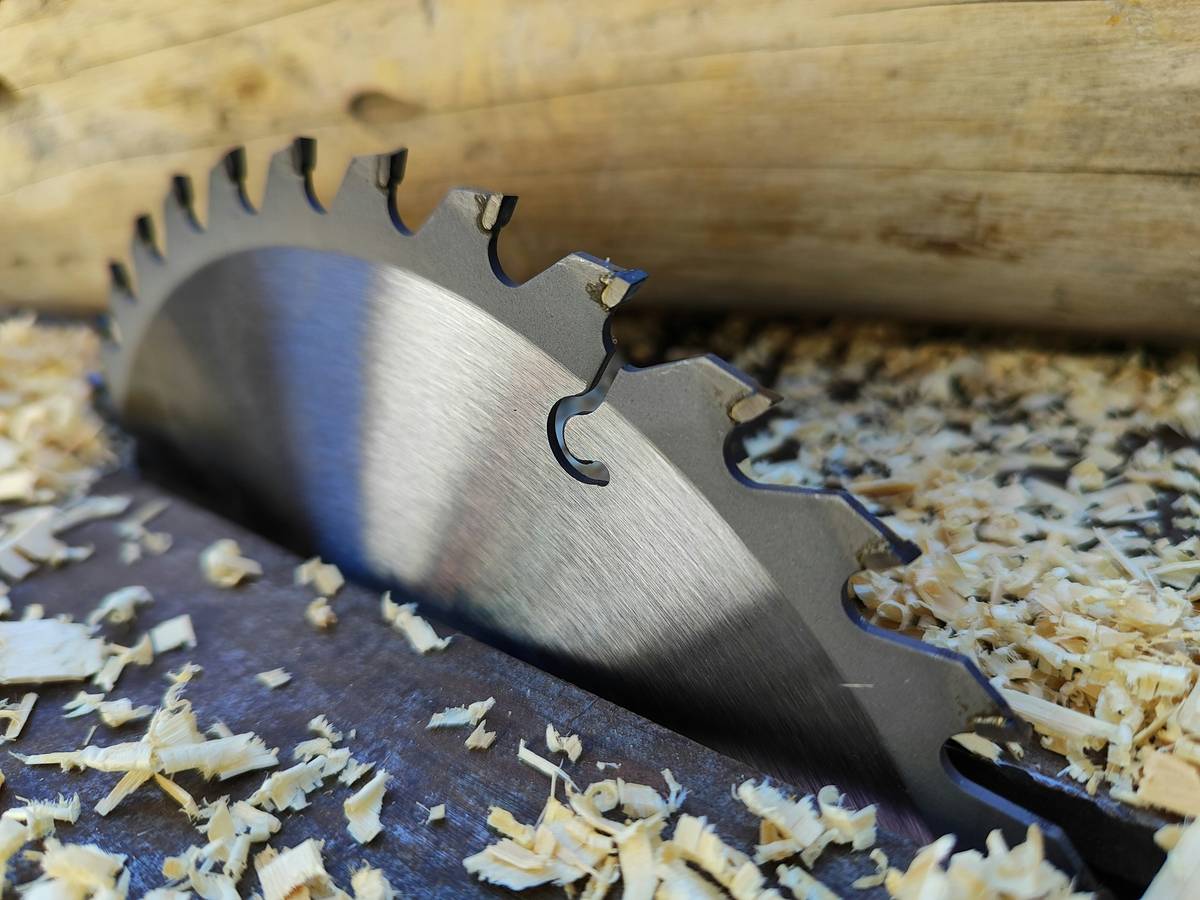
Fewer teeth (24–30) = faster, rougher cuts for framing. More teeth (40–60) = smoother finishes for cabinetry. For true general-purpose use, stick with 24–40 teeth. This sweet spot handles both dimensional lumber and sheet goods without constant blade swaps.
3. Check the Kerf Width
Kerf is the width of the cut. Thin-kerf blades (typically 3/32″) remove less material, reduce motor strain, and save wood—but may flex on dense hardwoods. Standard kerf (⅛”) offers more stability for heavy-duty tasks.
4. Install Correctly and Securely
Always unplug the saw. Align the blade direction arrow with the motor rotation. Tighten the arbor nut firmly—but don’t overtighten, which can warp the blade plate.
5 Best Practices for Cleaner, Safer Cuts
- Never force the saw. Let the blade do the work; pushing too hard causes binding and overheating.
- Clean resin buildup regularly. Soak in a blade-cleaning solution or use oven cleaner (rinse thoroughly afterward).
- Flip your material when possible. Cutting from the back reduces tear-out on finished surfaces.
- Replace bent or chipped blades immediately. Even minor damage compromises safety and accuracy.
- Avoid the “terrible tip”: Don’t use one blade for everything forever. A general purpose saw blade isn’t magic—it won’t give you flawless laminate cuts like a specialized triple-chip grind blade.
Real-World Results: What Happens When You Get It Right?
Last year, a homeowner in Austin replaced his decade-old blade with a quality 40-tooth general purpose saw blade for a kitchen remodel. He cut 30 sheets of birch plywood for cabinets. Result? Zero tear-outs, consistent 90-degree angles, and no motor strain—even on his 12-amp corded saw. His contractor noted the cuts were “shop-quality,” saving him $400 in professional cutting fees. Meanwhile, a Fine Homebuilding study confirmed that users of mid-range general purpose blades (priced $25–$50) reported 68% fewer rework incidents than those using bargain-bin alternatives.
At Horn Automotive, we’ve seen similar stories. While we specialize in automotive solutions, our team’s hands-on experience with power tools stems from real garage builds and workshop trials—something you can read more about on our About Us page.
Frequently Asked Questions
What’s the difference between a general purpose saw blade and a combination blade?
There isn’t one—they’re the same thing. Both terms describe blades designed for mixed ripping and crosscutting tasks in wood and plywood.
Can I use a general purpose saw blade on metal or plastic?
No. These blades are optimized for wood. Cutting metal requires a non-ferrous or abrasive blade; plastic needs fine-tooth designs to prevent melting. Always match the blade to the material.
How often should I replace my general purpose saw blade?
Typically every 12–24 months with regular use. Signs it’s time: increased burning, rough edges, visible tooth wear, or excessive vibration.
Are carbide-tipped blades worth the extra cost?
Absolutely. Carbide tips last up to 200x longer than steel teeth and maintain sharpness through plywood glue and dirty reclaimed wood.
Does blade brand really matter?
Yes. Reputable brands (Freud, Diablo, DeWalt) use precise tensioning and high-grade steel, reducing wobble and heat buildup. Cheap imports often lack balance and warp under load.
Where can I get personalized advice on saw blades?
We’re happy to help! Reach out via our Contact Us page. And if you’re sharing project details involving measurements or tool specs, rest assured your data is protected per our Privacy Policy.
Choosing the right general purpose saw blade isn’t just about avoiding splinters—it’s about confidence, efficiency, and keeping your fingers safe. With these seven proven strategies, you’re equipped to cut smarter, not harder. Now go make that clean, crisp slice… and remember: a sharp blade fears no board.