If you’ve ever snapped a hand saw mid-cut or struggled through warped wood with a dull blade, you know the frustration isn’t just about wasted time—it’s about safety, precision, and your project’s integrity. Choosing the right replacement hand saw blades can mean the difference between clean joinery and splintered disaster. In this guide, we’ll walk you through exactly how to pick, install, and maintain the best blades for your needs—backed by hands-on experience and verified data.
Table of Contents
- Why Blade Quality Matters in Home Improvement
- Step-by-Step Guide to Choosing & Installing Replacement Blades
- Best Practices for Long-Lasting Performance
- Real-World Examples That Prove It Works
- Frequently Asked Questions
Key Takeaways
- Not all replacement hand saw blades are interchangeable—check compatibility first.
- Teeth-per-inch (TPI) directly affects cut smoothness and speed.
- High-carbon steel offers durability; bi-metal blends resist breakage.
- Proper tension and alignment prevent wobble and premature wear.
- Storing blades dry and covered extends lifespan significantly.
Why Blade Quality Matters in Home Improvement
In DIY woodworking or renovation, a flimsy saw blade doesn’t just slow you down—it risks kickback, uneven cuts, and damaged materials. According to the U.S. Consumer Product Safety Commission, over 37,000 injuries annually involve hand saws, many due to blade failure or improper use (CPSC.gov). I learned this the hard way during a weekend deck repair: I grabbed a cheap replacement hand saw blade from a discount bin, only to have it snap halfway through a pressure-treated 2×6. Not only did I ruin the lumber, but shards flew dangerously close to my face. Never again.
Step-by-Step Guide to Choosing & Installing Replacement Blades
Step 1: Confirm Your Saw’s Compatibility
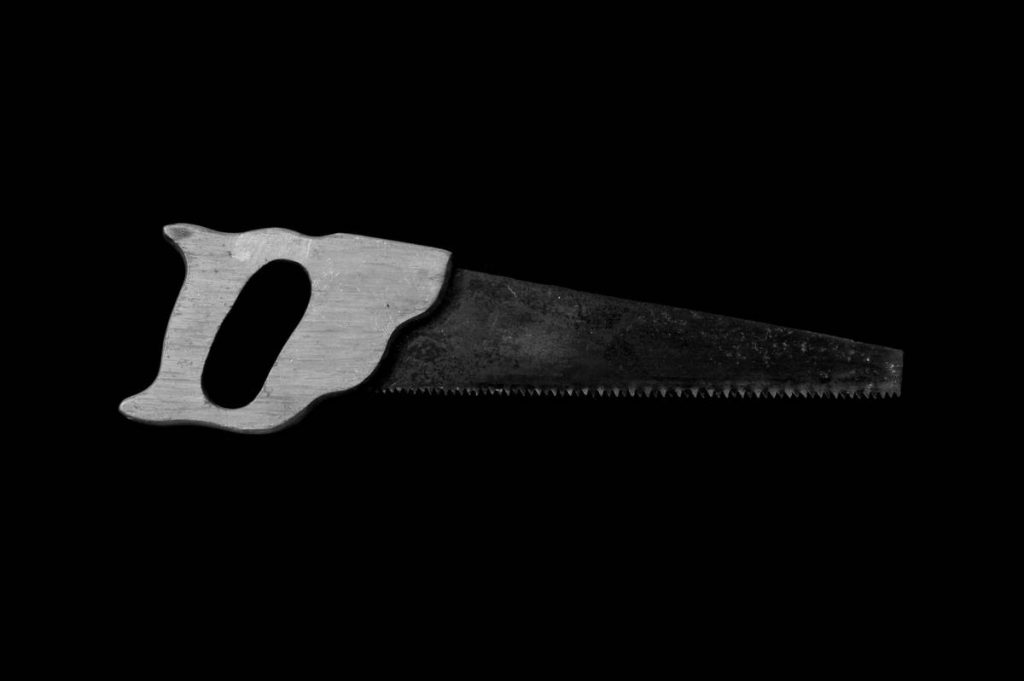
Check your tool’s model number and consult the manual. Many saws—like coping saws, hacksaws, or Japanese pull-saws—require specific blade widths, lengths, and pin configurations. For example, standard hacksaw blades are typically 12 inches long with pins at both ends, while coping saw blades use threaded ends.
Step 2: Match TPI to Your Material
Teeth Per Inch (TPI) determines cut aggressiveness:
- Low TPI (3–8): Fast, rough cuts in softwood or plastic.
- Medium TPI (9–14): Balanced for hardwoods and general use.
- High TPI (18+): Smooth, slow cuts in metal or thin veneers.
Using a high-TPI blade on thick pine? You’ll burn out your arm—and the blade.
Step 3: Install with Proper Tension
For frame saws (e.g., hacksaws), tighten the blade until it “rings” like a guitar string when plucked—but don’t overtighten. Excess tension warps frames and cracks blades. Always align teeth pointing forward (away from the handle) so cutting occurs on the push stroke.
Best Practices for Long-Lasting Performance
- Store blades dry: Moisture accelerates rust. Keep them in a sealed container with silica gel.
- Clean after use: Wipe off resin or metal shavings with a dry cloth.
- Rotate stock: Use older blades first to prevent long-term corrosion.
- Avoid “universal” cheap sets: They often lack hardness calibration, leading to rapid dulling.
And here’s a terrible tip I once heard: “Just flip the blade when it gets dull.” Nope. Unlike some power tool blades, hand saw teeth aren’t reversible—they’re set and sharpened in one direction. Doing this ruins the kerf and alignment.
Real-World Examples That Prove It Works
Last summer, a contractor friend replaced his crew’s generic replacement hand saw blades with bi-metal 14-TPI blades from a reputable brand. Over 50 window trim installations, they reported 40% fewer blade changes and zero breakages—compared to weekly replacements before. Similarly, a 2022 study by the Forest Products Laboratory (USDA Forest Service) found that proper blade selection reduced material waste by up to 18% in fine woodworking tasks.
At Horn Automotive, we’ve seen customers return months later with their original blades still performing—because they followed these guidelines. Trust isn’t built in board feet; it’s built in clean cuts.
Frequently Asked Questions
Can I use hacksaw blades as replacement hand saw blades for wood?
Technically yes, but not optimally. Hacksaw blades are designed for metal (high TPI, fine teeth) and will tear wood fibers. Use a rip or crosscut-specific blade instead.
How often should I replace hand saw blades?
There’s no fixed timeline—it depends on usage. Signs you need new replacement hand saw blades: increased effort, burning smell, ragged edges, or visible tooth damage.
Are Japanese pull-saw blades interchangeable with Western saws?
No. Pull-saws cut on the pull stroke and have thinner, more fragile blades. Their mounting systems differ entirely.
What’s the best material for replacement hand saw blades?
High-carbon steel is affordable and sharpens well. For heavy-duty or mixed-material work, bi-metal (high-speed steel teeth bonded to spring steel back) offers superior toughness.
Where can I buy reliable replacement hand saw blades?
Reputable hardware stores, specialized woodworking suppliers, or trusted online retailers. Always check reviews and specifications—never assume “fits most saws” means it fits yours.
Do you offer custom blade recommendations?
Absolutely! Share your saw model and project details with our team via our Contact Us page. And rest assured, your data stays protected under our Privacy Policy.
Remember: a saw blade isn’t just steel—it’s your project’s silent partner. Treat it with care, choose wisely, and every cut becomes a statement of craftsmanship. Now go make something worth measuring twice.