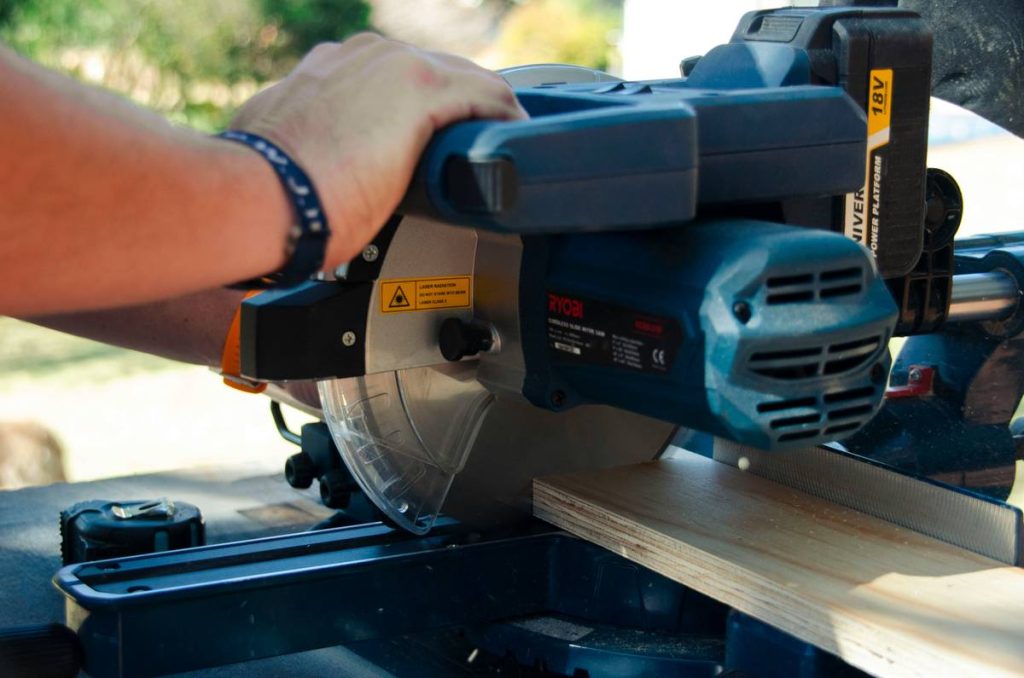
You bought a premium hardwood. You set up your saw. Then—the kerf binds, the motor strains, and you’re left with a burnt, splintered mess. Most assume it’s user error. It’s not. The real culprit? Using a generic blade on dense, unforgiving species like oak, maple, or hickory. The right saw blade for hardwood isn’t just sharper—it’s engineered differently.
Why Off-the-Shelf Blades Fail on Hardwood
Standard carbide-tipped blades are built for softwoods or plywood. They have fewer teeth, aggressive hook angles, and thin kerfs. Fine for pine. Disaster for rock maple.
Hardwood fibers are tight, dense, and abrasive. They dull soft carbide fast. Worse—they generate intense heat during slow, high-resistance cuts. That heat literally glues sawdust to the blade (resin buildup), increasing friction until the cut stalls or burns.
And most DIYers never realize their “sharp” blade is actually coated in invisible pitch—acting like sandpaper against the wood itself.
Choosing the Right Saw Blade for Hardwood: A Step-by-Step Guide
Forget brand loyalty. Focus on geometry, material, and tooth count.
Tooth Count Matters—More Than You Think
For crosscuts in hardwood, aim for 60–80 teeth. More teeth = smoother finish, but only if the gullets (the valleys between teeth) can handle chip evacuation. Too many teeth in thick stock? You’ll clog instantly.
CARBIDE Grade Is Non-Negotiable
Not all carbide is equal. Look for C4 grade or micro-grain carbide—it resists chipping and holds an edge 3x longer than standard C2 in abrasive species like white oak.
Hook Angle Determines Cutting Behavior
Hardwood demands a low or negative hook angle (5° to -5°). This reduces grab, minimizes tear-out, and prevents the blade from self-feeding violently into dense grain. Table saws? Stick to 7° max. Miter saws? Negative is better.
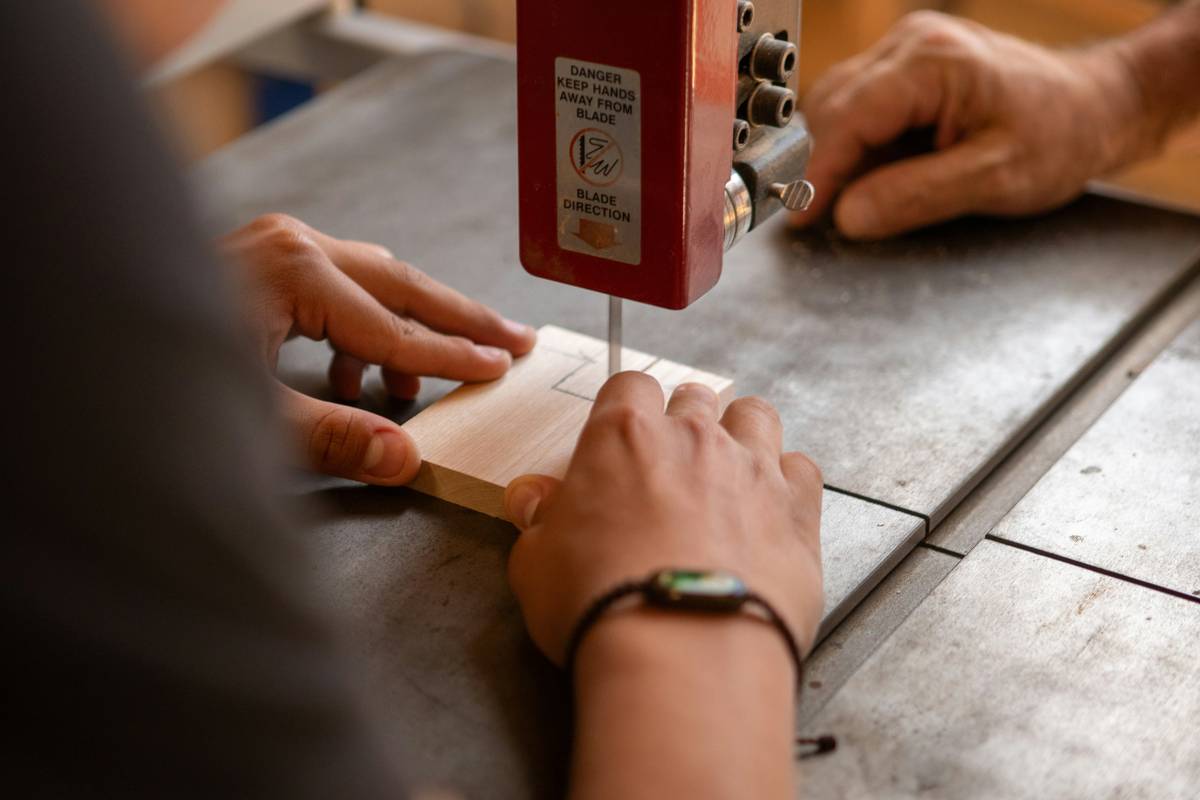
| Blade Spec | Poor Choice for Hardwood | Optimal for Hardwood |
|---|---|---|
| Tooth Count (10″ Blade) | 24–40 teeth | 60–80 teeth |
| Carbide Grade | C2 standard | C4 or micro-grain |
| Hook Angle | 15°–20° (aggressive) | -5° to 7° (controlled) |
| Kerf Type | Thin kerf (< 0.09″) | Full kerf (0.125″) |
| Plate Stability | Standard stamped steel | Laser-cut tensioned plate |
The Industry Secret: Blade Heat Treatment > Sharpness
Here’s what manufacturers won’t tell you: A blade’s performance in hardwood hinges less on initial sharpness and more on how its steel plate handles thermal expansion.
During extended cuts, the blade center heats faster than the rim. Cheap plates warp slightly—causing vibration, uneven wear, and wandering cuts. Premium blades undergo stress-relief heat treatment post-stamping. This stabilizes the molecular structure so the plate stays flat even at 200°F.
Think about it—your blade isn’t just a cutter. It’s a precision disc operating under extreme conditions. If the plate warps by 0.002″, your cut quality plummets. That’s why pro cabinetmakers resharpen blades multiple times: the carbide wears, but the plate stays true.
Frequently Asked Questions
Can I use a general-purpose blade on hardwood?
No. General-purpose blades lack the tooth geometry and carbide hardness needed. You’ll get burn marks, rough edges, and accelerated dulling—even on short runs.
How often should I clean my saw blade for hardwood?
After every 2–3 projects, or immediately if you notice pitch buildup. Use a dedicated blade cleaner (not oven cleaner—too caustic) and a soft brush.
Does blade diameter affect hardwood performance?
Indirectly. A 10″ blade offers better balance and stability than 7-1/4″ on a table saw, but tooth count and carbide quality matter far more than size alone.